

Delayed reward anticipation impacting engagement persistence in slot play
People often stay longer with games that promise something just out of reach. The phrase slot gacor appears often in player talk, hinting at machines thought to pay soon. That belief feeds patience, even when outcomes remain uncertain. Delayed reward anticipation impacting engagement persistence in slot play describes this pull toward future gains. Minds weigh near chances more heavily than past losses, stretching sessions beyond plans. Small cues, subtle sounds, and rising meters gently guide choice without force.
Delayed cues extend playing time
When rewards are postponed, curiosity grows and attention tightens around each spin. Near outcomes feel meaningful, so players wait “one more round” again. This waiting build momentum, turning short visits into lengthy sessions. Expectation becomes the engine, keeping hands active and thoughts focused.
Psychological triggers behind waiting behavior
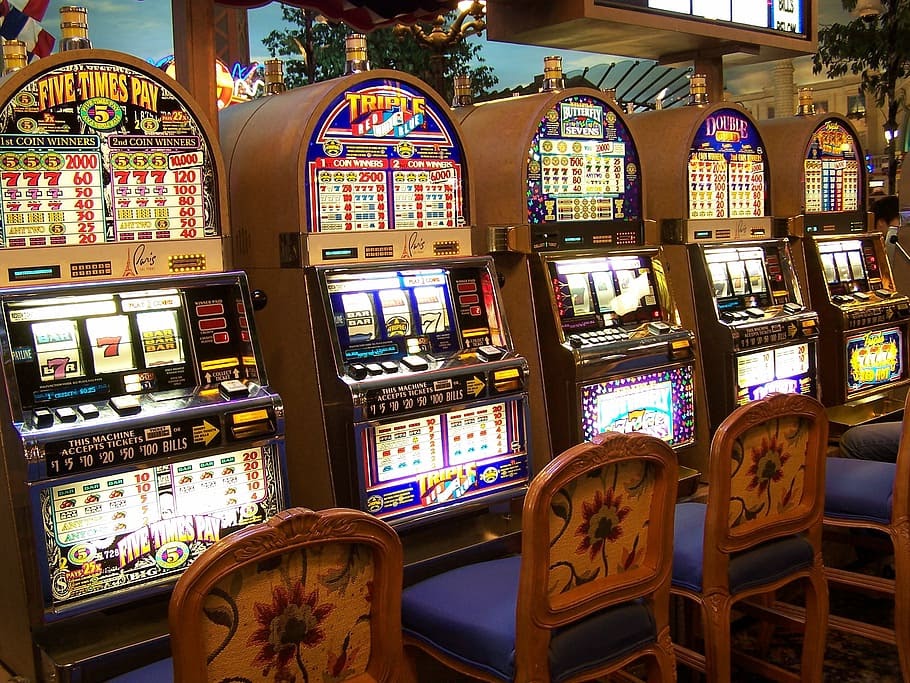
Short gaps between hints of success train the brain to expect improvement. Those hints rarely deliver quickly, yet they keep motivation steady.
- Players chase near wins that signal progress without delivering payoff
- Timers and sounds stretch suspense, increasing perceived value of upcoming rewards
- Small bonuses appear frequently to maintain hope while conserving bankrolls
- Long droughts make eventual playouts feel larger than their statistical size
- Visual meters creep forward slowly, anchoring attention and discouraging session breaks
- Near miss symbols trigger motivation circuits, prolonging play beyond planned limits
- Variable intervals obscure predictability, making stopping points psychologically harder to choose
- Personalized feedback messages praise persistence, reinforcing commitment through subtle emotional cues
Design elements that reinforce patience
Game makers use pacing to manage how tension rises and falls. Light flashes, rhythmic tones, and animated counters suggest progress without guarantees. Each signal acts like a promise that something better might arrive soon. Together these touches create comfort, reducing the urge to walk away.
What factors sustain persistence during extended slot sessions?
Persistence grows from a blend of perception and timing. When outcomes are spaced unevenly, people struggle to judge how close they are to success, so they continue a bit longer. The mind prefers finishing a pattern rather than leaving it incomplete.
Emotional responses also play a role. Brief thrills from almost winning spark energy that masks fatigue and cost awareness. As excitement replaces caution, stopping feels like abandoning a potential breakthrough, which keeps the session alive.
Balancing enjoyment with responsible play
Awareness helps players separate entertainment from expectation. Setting limits on time and money creates a clear boundary before starting. With structure in place, anticipation stays fun rather than overwhelming.
Research insights guiding safer engagement
Studies show that delayed outcomes heighten dopamine responses tied to learning. This chemical activity strengthens memory for near successes more than failures. As a result, people recall hopeful moments vividly and forget long dry spells. Understanding this bias allows educators and designers to build healthier experiences.
Last reflections on sustained participation
Thoughtful habits protect enjoyment and prevent overcommitment during game sessions. Clear goals, breaks, and honest tracking foster calm decision making. Social support and transparency reduce myths about lucky streaks. These practices reshape choices toward balance rather than endless pursuit. Seen through this lens, Delayed reward anticipation impacting engagement persistence in slot play explains why restraint and knowledge matter most.